
E
Emma Kendell
Guest
Sales of self-watering planters peaked this heatwave summer, but there’s an important check you need to make before fall rains arrive. Not all self-watering pots and raised beds come with an overflow hole to drain excess rainwater, so it’s essential to check ahead of storm season, and add one if needs be. Roots sitting in permanently soggy soil will quickly rot and even reliably cold-hardy plants will struggle in overly moist conditions as temperatures plummet.
Some planters with water reservoirs for easy container gardening feature an overflow hole as standard, but many have a removable drainage plug or adjustable drainage system. Plenty more require you to punch out or drill an overflow hole, and this is especially true for planters designed for both indoor and outdoor use.
As we've all looked to fresh ways to cut watering time in the heat and drought of this El Niño summer, chances are you have a new self-watering planter sitting on your patio. So, add this essential task to your list of September gardening jobs to ensure plants in self-watering containers aren't swamped by late-season rainstorms.
(Image credit: Getty Images)
Most self-watering containers have a double-base system with the soil sitting above a lower water reservoir, so an overflow hole will look very different to a drainage hole on a standard planter. Look for a small, intentional hole on the outer wall of the planter, fairly low down. If you can see the level of the reservoir, then the overflow hole may sit just above or below this line.
You might find that the overflow hole is blocked by a rubber or plastic plug, in which case remove it. Some raised beds also have adjustable drainage systems, so test to check that the overflow hole is open.
If you don't find an overflow hole then you will need to add one yourself.
Many self-watering containers require you to punch out the overflow hole, and you'll usually find a slightly indented circle in the right spot. While it’s straight-forward to knock punch-out drainage holes through when a container is unplanted, it’s best to drill these once planted up.
If the overflow spot isn’t marked, create the hole just above the top of the water reservoir so the bottom layer of soil stays well-drained. Once you’ve identified the right position, stick a strip of masking tape over the target spot to help the drill bit catch and prevent the outer container wall from getting scratched.
The easiest way to create a hole in most plastics is to carefully heat the tip of an old screwdriver over a flame and push it through the material. For strong, rigid plastic, drill a hole using a wood bit, and preferably a brad point bit that has a sharp, needle-like tip. Use a low speed and light pressure to avoid the plastic melting or cracking.
Use a masonry bit, keep the drill speed low and the pressure light, and let the drill do all the work.
For glazed ceramic, you’ll need a diamond-tipped drill bit – the same type you’d use for drilling tiles – and the same slow-and-steady approach. A splash of water, once you’re through the hard glaze, helps to keep the bit cool and speeds progress.
Use a cobalt drill bit or a high-speed steel (HSS) bit with a titanium coating, designed for use with metal. Always use protective safety glasses when drilling any material, but especially metal.
Most self-watering pots designed primarily for indoor use are fully sealed. A planter designed for houseplants is unlikely to be frost-proof so is better kept for indoor use, in which case the lack of an overflow hole will protect windowsills and floors from water damage. Do buy a cheap moisture meter such as this long-probe device from Amazon, though, so you can accurately judge whether or not a plant needs more water.
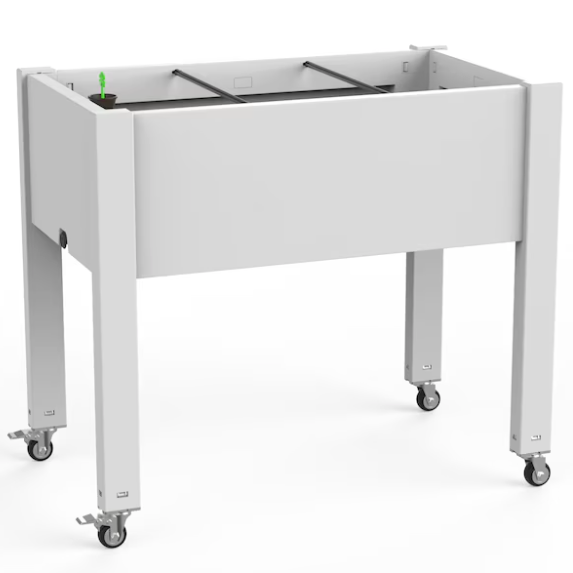 Water-Float System
Patiozen
Elevated Mobile Self-Watering 30" Planter Box
This compact self-watering mobile bed has a simple but smart water-level float, drainage holes and 360° lockable wheels. Super for growing herbs that you can wheel from barbecue to outdoor dining table.
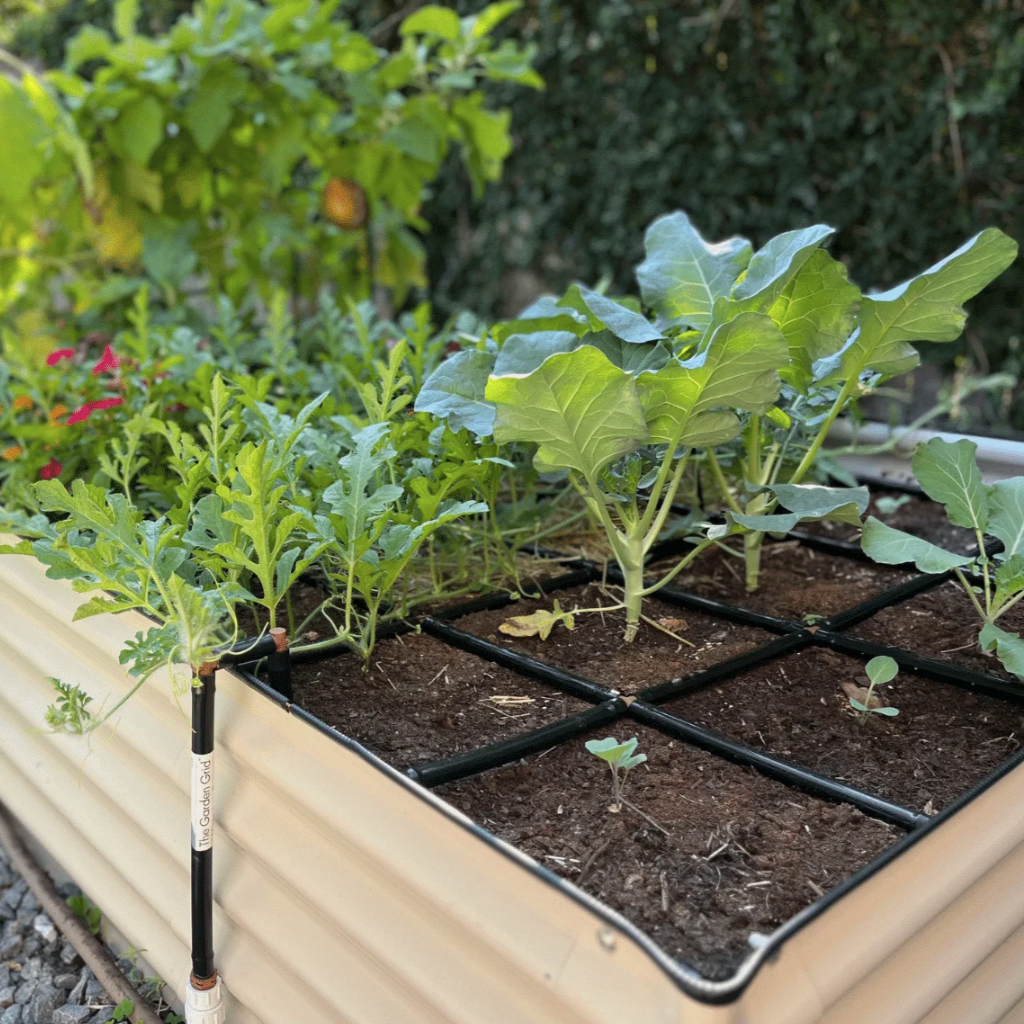 Connects to a hose
Garden in Minutes
All-In-One Raised Garden Bundle
This comprehensive kit includes an open-bottomed 17”-tall 2’ x 6’ raised bed with a watering grid for even moisture. It’s ideal for growing veggies, lots of other sizes are available and beds can be connected together.
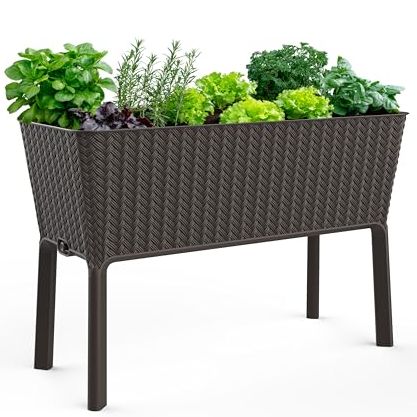 Adjustable drainage
Keter
Splendor 31.7 Gallon Raised Planter Box
This stylish raised bed has a water reservoir and a drainage system that can be opened or closed, so you can use it indoors or out. Perfect for growing flowers, veg or herbs on a patio or balcony.
Continue reading...
Some planters with water reservoirs for easy container gardening feature an overflow hole as standard, but many have a removable drainage plug or adjustable drainage system. Plenty more require you to punch out or drill an overflow hole, and this is especially true for planters designed for both indoor and outdoor use.
As we've all looked to fresh ways to cut watering time in the heat and drought of this El Niño summer, chances are you have a new self-watering planter sitting on your patio. So, add this essential task to your list of September gardening jobs to ensure plants in self-watering containers aren't swamped by late-season rainstorms.
(Image credit: Getty Images)
How to Check for an Overflow Hole
Most self-watering containers have a double-base system with the soil sitting above a lower water reservoir, so an overflow hole will look very different to a drainage hole on a standard planter. Look for a small, intentional hole on the outer wall of the planter, fairly low down. If you can see the level of the reservoir, then the overflow hole may sit just above or below this line.
You might find that the overflow hole is blocked by a rubber or plastic plug, in which case remove it. Some raised beds also have adjustable drainage systems, so test to check that the overflow hole is open.
If you don't find an overflow hole then you will need to add one yourself.
How to Add an Overflow Hole
Many self-watering containers require you to punch out the overflow hole, and you'll usually find a slightly indented circle in the right spot. While it’s straight-forward to knock punch-out drainage holes through when a container is unplanted, it’s best to drill these once planted up.
If the overflow spot isn’t marked, create the hole just above the top of the water reservoir so the bottom layer of soil stays well-drained. Once you’ve identified the right position, stick a strip of masking tape over the target spot to help the drill bit catch and prevent the outer container wall from getting scratched.
For Plastic Containers
The easiest way to create a hole in most plastics is to carefully heat the tip of an old screwdriver over a flame and push it through the material. For strong, rigid plastic, drill a hole using a wood bit, and preferably a brad point bit that has a sharp, needle-like tip. Use a low speed and light pressure to avoid the plastic melting or cracking.
For Fiberstone, Concrete or Terracotta Planters
Use a masonry bit, keep the drill speed low and the pressure light, and let the drill do all the work.
For Ceramic Planters
For glazed ceramic, you’ll need a diamond-tipped drill bit – the same type you’d use for drilling tiles – and the same slow-and-steady approach. A splash of water, once you’re through the hard glaze, helps to keep the bit cool and speeds progress.
For Metal Containers
Use a cobalt drill bit or a high-speed steel (HSS) bit with a titanium coating, designed for use with metal. Always use protective safety glasses when drilling any material, but especially metal.
Most self-watering pots designed primarily for indoor use are fully sealed. A planter designed for houseplants is unlikely to be frost-proof so is better kept for indoor use, in which case the lack of an overflow hole will protect windowsills and floors from water damage. Do buy a cheap moisture meter such as this long-probe device from Amazon, though, so you can accurately judge whether or not a plant needs more water.
Self-Watering Raised Beds With Excellent Drainage
Water-Float SystemPatiozen
Elevated Mobile Self-Watering 30" Planter Box
This compact self-watering mobile bed has a simple but smart water-level float, drainage holes and 360° lockable wheels. Super for growing herbs that you can wheel from barbecue to outdoor dining table.
Connects to a hoseGarden in Minutes
All-In-One Raised Garden Bundle
This comprehensive kit includes an open-bottomed 17”-tall 2’ x 6’ raised bed with a watering grid for even moisture. It’s ideal for growing veggies, lots of other sizes are available and beds can be connected together.
Adjustable drainageKeter
Splendor 31.7 Gallon Raised Planter Box
This stylish raised bed has a water reservoir and a drainage system that can be opened or closed, so you can use it indoors or out. Perfect for growing flowers, veg or herbs on a patio or balcony.
Continue reading...