
T
Tyler Schuster
Guest
Every night through September, millions of songbirds pass silently overhead on their epic journey south. As dawn breaks, they drop into backyards searching for food to help them refuel before the next leg of their flight. At the same time, resident birds are stocking up energy reserves to survive the cold months ahead. What they need is fat, and they need it fast, at the point in the season when insects are thinning out and the wild larder is running low. This is where black oil sunflower seed can help.
Among all the seeds a gardener can harvest or buy, black oil sunflower seed stands out as the ultimate cold-weather superfood. Whether already available in your homegrown plants or added specifically to feeders, it’s something of a superseed for hungry birds this month. Among birdseed plants a gardener can grow, it's the standout because it’s about as close to concentrated fuel as a birdie can get.
While striped sunflower seeds have thick, tough hulls, black oil seeds have paper-thin shells surrounding high-calorie treats. This makes them irresistible for both migratory VIPs and year-round backyard species, especially as other natural wild food sources are beginning to wane. Stocking these seeds this month provides immediate relief for birds burning massive calories. Here’s how black oil sunflower seeds can support your feathered friends this fall.
The secret to the black oil sunflower seed’s superiority lies in its packaging and content. Compared to traditional striped sunflower seeds, black oil seeds such as the great-value Happy Wings Black Oil Sunflower Seeds from Amazon feature thinner hulls. This means small-billed songbirds like chickadees will spend far less energy cracking open the shells, allowing them to absorb the goodies rapidly during high-stress migration and fall foraging. While hulled sunflowers offer convenience, they lack protective shells, so they can spoil faster and harbor dangerous bacteria when damp. So to feed birds effectively this fall, whole black oil seeds strike the perfect balance between easy opening and long-term feeder freshness.
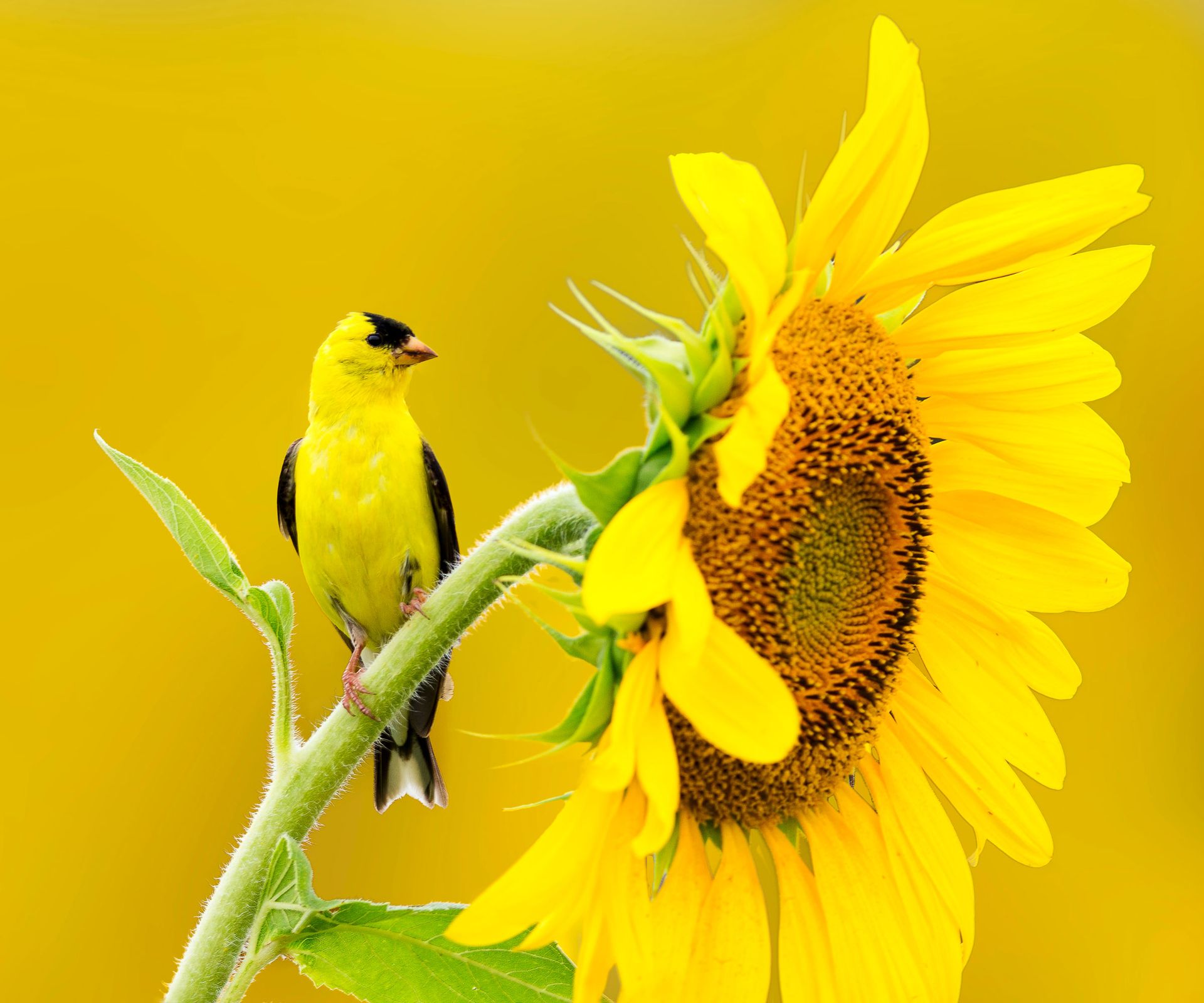
(Image credit: Vinay Sinha / Getty Images)
Inside each black oil sunflower shell sits a kernel bred specifically for oil extraction, yielding a dense concentration of crude fat and essential protein. A US Fish and Wildlife Service feeding trial found that black oil sunflower seeds consistently beat striped sunflower seeds and white proso millet across nearly all songbird species. To inspect seed quality or seed hulls before filling your hoppers, use a high-clarity magnifier like the TechShare Magnifying Glass with Light, available from Amazon, to make sure you actually are dishing up the right seeds for the season.
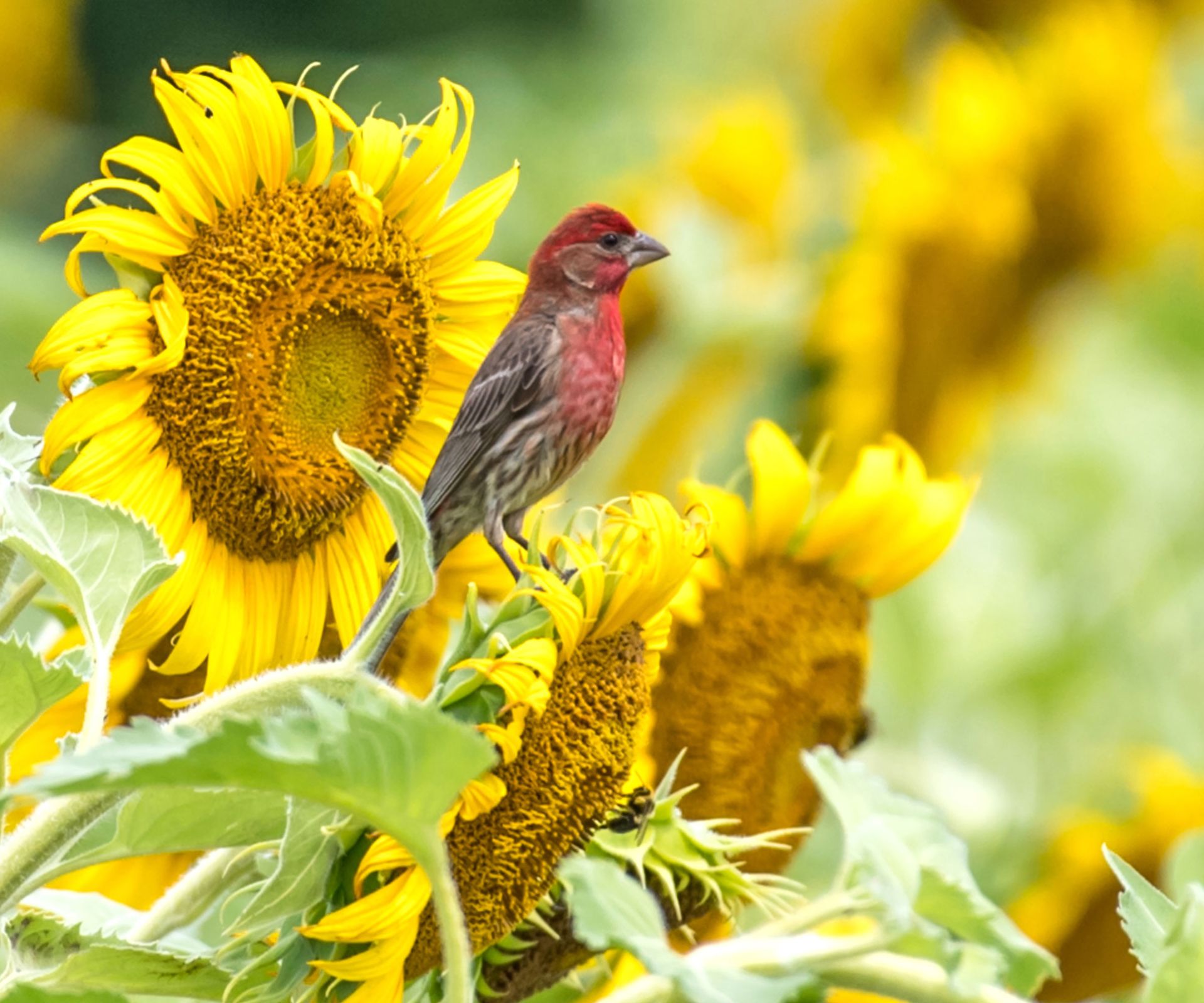
(Image credit: William Krumpelman / Getty Images)
Early fall brings a fascinating mix of migrants and resident birds to feeding stations, each drawn to black oil seeds for specific reasons. Migratory VIPs like rose-breasted grosbeaks have heavy, conical beaks designed to crush hulls with ease, making a high-fat tray feeder their ultimate fuel stop before flying south. Purple finches travel in flocks, relying on the seed's dense fat content to sustain rapid body heat.
Red-breasted nuthatches, blessed with nimble, gripping feet and light weights, can effortlessly snatch a kernel, carry it to a nearby branch, and stash it in bark crevices for winter survival. Most move at night and drop in at dawn, so a full feeder at first light really earns its place.
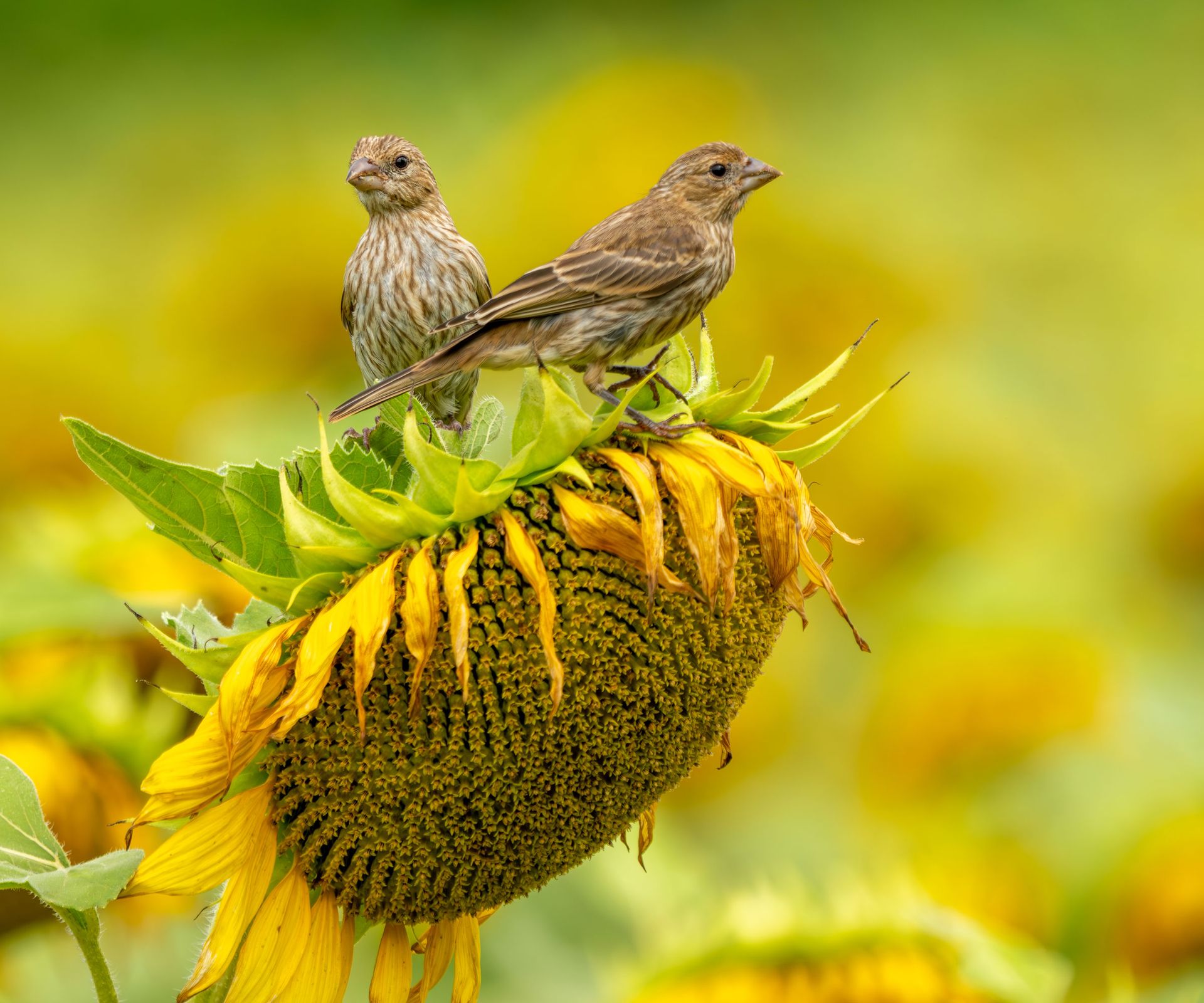
(Image credit: Gordon Magee / Getty Images)
Resident species benefit just as heavily from black oil seeds, as they prepare for the colder months ahead. Northern cardinals visit feeders during low-light hours at dawn and dusk, while black-capped chickadees and tufted titmice work relentlessly throughout the day, shuttling back and forth when they know there’s a hearty sunflower seed stash to enjoy.
The Cornell Lab's seed preference chart marks black oil sunflower acceptable to all nine feeder groups it tracks, chickadees through to doves. Nothing else on that chart comes close to the same spread, so one feeder and one seed type makes a huge impact. To spot arriving migrants from your window, keep a pair of high-clarity optics handy. The National Geographic 8x42 Binoculars from Walmart are great value and offer crisp, wide field viewing for tracking bird movements.
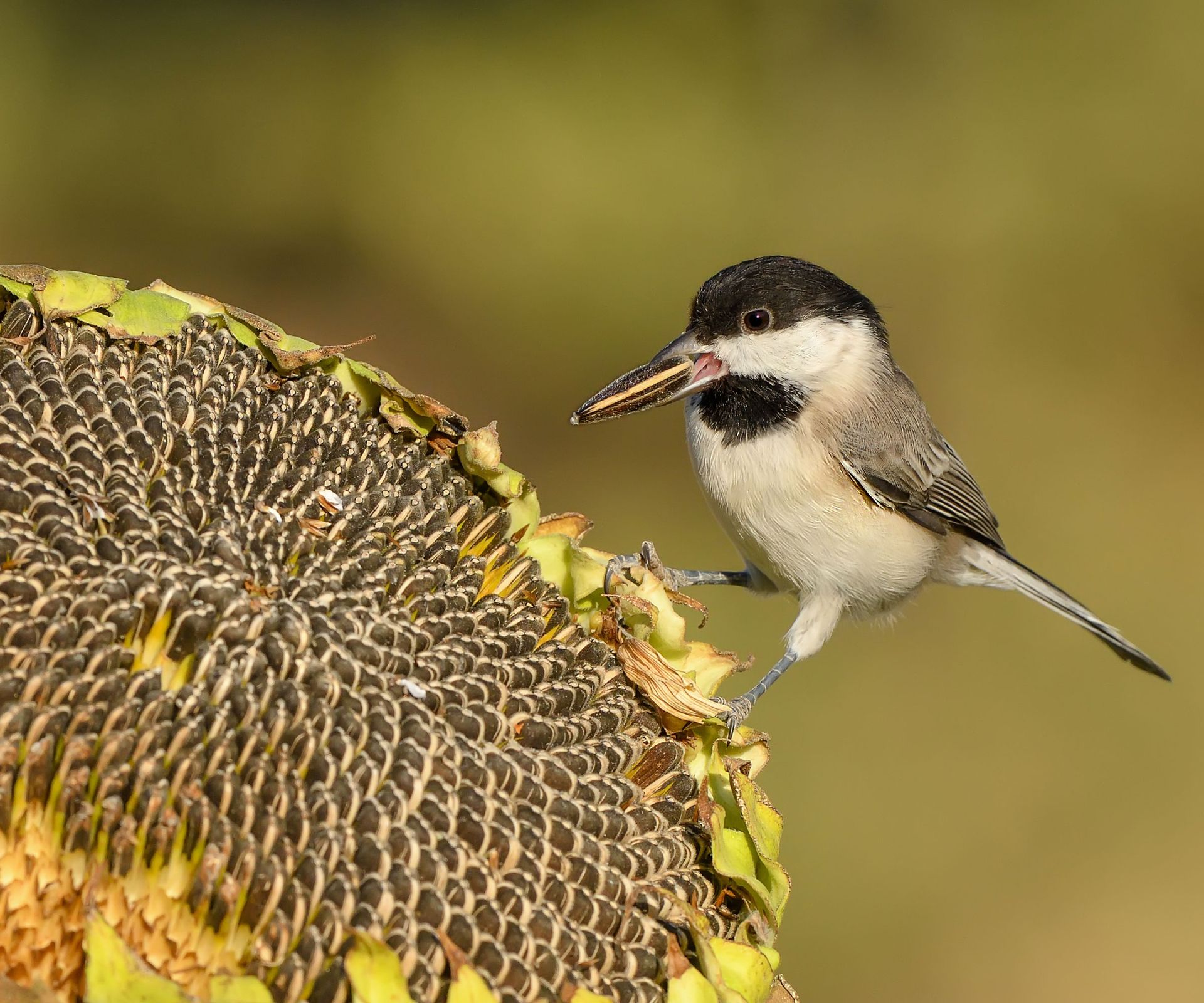
(Image credit: Sacit Bulut / 500px / Getty Images)
If you grew tall annual sunflowers this summer, you may already have a generous stash of black-oil superseeds ready to go. Heavy-yielding varieties like Peredovik or classic giant sunflower varieties like Mammoth Grey Stripe produce the oil-dense dark kernels birds crave. However, decorative varieties like Velvet Queen or pollenless types like ProCut either produce empty shells or tough, thick-hulled seeds that offer far fewer calories. So make sure you have the right seeds for your birds.
September is the prime harvest season for sunflower seeds. Heads are ready when the back of the flower shifts from green to a rich yellow or brown, the petals dry and drop, and the seeds look plump, sitting loose in the central disc. Birds usually spot this maturity before we do, so a sudden rush of finch traffic on a head is your cue. To protect ripening heads from eager squirrels, slip a paper bag or cheesecloth bag or similar over the head when the petals brown. You can buy Cotton Farm Cheesecloth Bags from Amazon. Secure it with a soft tie to buy a few extra days of ripening, while stopping seeds from hitting the dirt.
(Image credit: Diy13 / Getty Images)
When ready, cut the stem leaving about 12 inches (30cm) of stalk. Use sharp Fiskars Titanium Micro-Tip Pruning Shears from The Home Depot for clean stem cuts. Then hang the head upside down somewhere warm, dry, and airy, with no rodents in residence. Give it 3 weeks to cure, or longer in a damp spell. Seeds drop on their own, so placing a catch bin or bag underneath saves sweeping later.
Whatever seeds stay put will come loose easily if the head gets knocked against a table edge or rubbed hard against a second head. Just make sure everything is bone dry before storage, because damp seed molds quickly, and moldy seed is far worse for birds than no seed at all.
(Image credit: Joe Houghton / Getty Images)
Tube feeders, platform trays, and suet cages are all great ways to dish up your black oil sunflower seeds. Hanging tube feeders are the safest default, mainly because they keep seed dry. Moisture is one of the real hazards at a feeder, since wet grain grows mold that can sicken birds. A tube also stops one determined jay emptying the lot in a single sitting. The Woodlink Seed Tube Feeder from The Home Depot is great for finches, nuthatches and chickadees, and hangs off a shepherd's hook or a low branch without fuss. Small perching birds like black-capped chickadees, pine siskins, and American goldfinches thrive on narrow tube perches.
Bigger autumn visitors like grosbeaks and cardinals prefer broader perching space. Setting out a wooden mesh tray like the Kingsyard Platform Bird Feeder from Walmart allows larger species to dine comfortably, while the mesh base ensures that rainwater drains away instantly after rain instead of holding a puddle.
(Image credit: Catherine McQueen / Getty Images)
For a high-energy treat, mix homegrown seeds into melted beef fat and chill in a mold to create suet cakes. These will go down a storm with tufted titmice and white-breasted nuthatches. If you prefer convenience, hang a pre-made C&S Sunflower Treat Suet Cake from Amazon inside a metal wire cage feeder. Finally, observe the 3/30 rule when putting out feeders for the fall frenzy. Place them within 3 feet (1m) of windows or beyond 30 feet (9m) to prevent fatal glass collisions.
(Image credit: Cavan Images / NatureTron / Getty Images)
While black oil sunflower seed is the undisputed star of fall feeding, pairing your seed stations with natural garden forage creates a complete wildlife habitat. Leaving spent perennials standing provides essential foraging opportunities. Goldfinches and native sparrows will happily pick seeds out of dried coneflower (echinacea) and black-eyed Susan (rudbeckia) heads well into winter.
Planting berry-bearing shrubs can also help to pull in a different crowd. Soft-billed American robins, cedar waxwings, and hermit thrushes mostly ignore seed hoppers but will clear a fruit-laden branch in an afternoon. When selecting berrying shrubs, just match species to your hardiness zones. Native winterberry holly thrives in zones 3-9, holding bright red fruit straight into winter. You can buy best-selling Berry Poppins Winterberry Holly from Plant Addicts to set up long-term fall foraging. For northern gardens (zones 2–7), American cranberrybush offers high-pectin berries that soften after the first frost, providing critical late-season fuel.
To cater to specialized species like pine siskins and goldfinches who prefer tiny, oil-rich seeds, supplement your main stations with high-fat nyjer (thistle) seed served in fine-mesh socks or a fine-mesh feeder. You can grab 3lb bags of Kaytee Nyjer Thistle Seeds from Amazon. Scrub the feeders out every couple of weeks as well, since a crowded station spreads disease. A feeder filled this week catches birds that will be gone by November and others that will still be working the same perch in February. And never forget fresh water with dedicated bird baths and puddle baths, as your birdies are thirsty, too.
Stocking your backyard bird sanctuary requires a balance of prime nibbles with practical yet pretty feeders, as well as reliable hydration sources. Give your birdies the best shot at survival with these curated fall picks to elevate your bird feeding station setup this season.
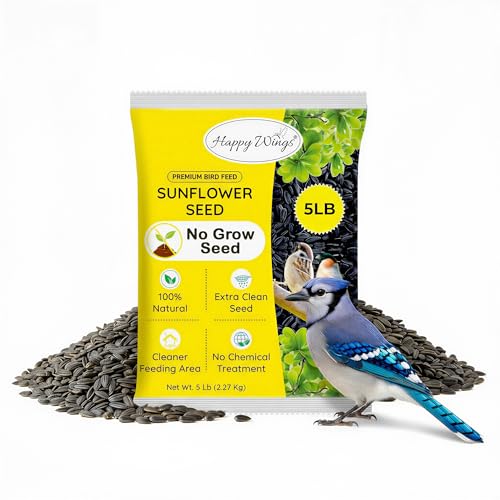 Premium Seeds
Happy Wings
Happy Wings Black Oil Sunflower Seeds Bird Food
If you haven't grown any sunflower seeds this year, don't panic. These premium black oil sunflower seeds are packed with nutrients to fuel migrating songbirds and local residents.
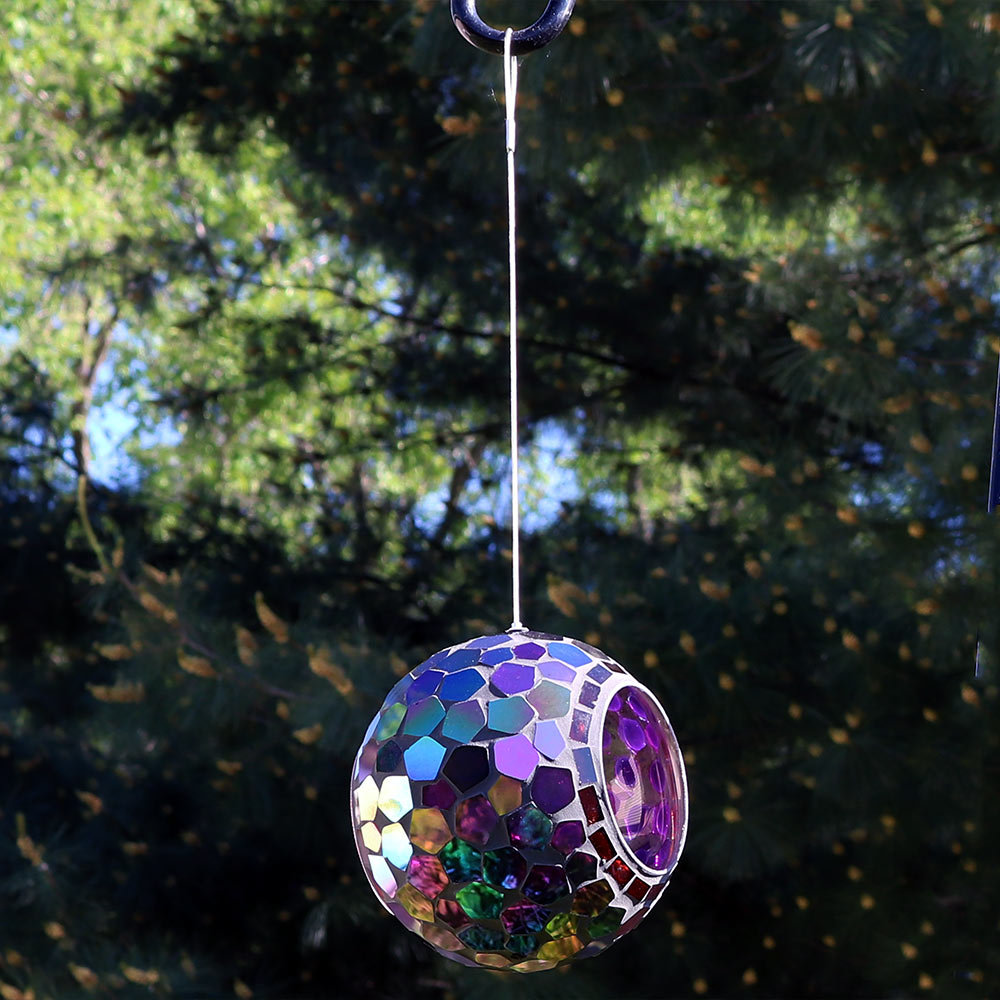 Super Feeder
Wayfair
Tucker Murphy Pet™ Huebner Mosaic Glass Fly-Through Feeder
A stunning hand-crafted glass mosaic fly-through feeder that catches fall sunlight while offering a sheltered perching tray for seeds.
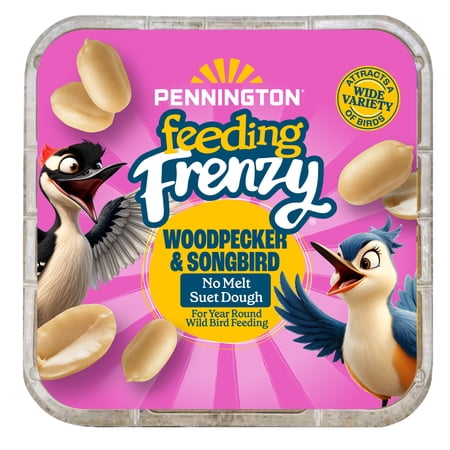 Suet Cake
Pennington
Pennington Feeding Frenzy Suet Dough Cakes
Couple your black oil sunflower seeds with some extra fuel: these suet cakes can be added as standalone extras or can be used to house some of your seeds for the ultimate fuel boost.
(Image credit: Wirestock / Getty Images)
Need more ideas for timely gardening jobs and seasonal expert advice delivered straight to your inbox? Sign up for the free Gardening Know How Newsletter!
Continue reading...
Among all the seeds a gardener can harvest or buy, black oil sunflower seed stands out as the ultimate cold-weather superfood. Whether already available in your homegrown plants or added specifically to feeders, it’s something of a superseed for hungry birds this month. Among birdseed plants a gardener can grow, it's the standout because it’s about as close to concentrated fuel as a birdie can get.
While striped sunflower seeds have thick, tough hulls, black oil seeds have paper-thin shells surrounding high-calorie treats. This makes them irresistible for both migratory VIPs and year-round backyard species, especially as other natural wild food sources are beginning to wane. Stocking these seeds this month provides immediate relief for birds burning massive calories. Here’s how black oil sunflower seeds can support your feathered friends this fall.
Why These Seeds are Best
The secret to the black oil sunflower seed’s superiority lies in its packaging and content. Compared to traditional striped sunflower seeds, black oil seeds such as the great-value Happy Wings Black Oil Sunflower Seeds from Amazon feature thinner hulls. This means small-billed songbirds like chickadees will spend far less energy cracking open the shells, allowing them to absorb the goodies rapidly during high-stress migration and fall foraging. While hulled sunflowers offer convenience, they lack protective shells, so they can spoil faster and harbor dangerous bacteria when damp. So to feed birds effectively this fall, whole black oil seeds strike the perfect balance between easy opening and long-term feeder freshness.
(Image credit: Vinay Sinha / Getty Images)
Inside each black oil sunflower shell sits a kernel bred specifically for oil extraction, yielding a dense concentration of crude fat and essential protein. A US Fish and Wildlife Service feeding trial found that black oil sunflower seeds consistently beat striped sunflower seeds and white proso millet across nearly all songbird species. To inspect seed quality or seed hulls before filling your hoppers, use a high-clarity magnifier like the TechShare Magnifying Glass with Light, available from Amazon, to make sure you actually are dishing up the right seeds for the season.
Birds that Crave These Seeds
(Image credit: William Krumpelman / Getty Images)
Early fall brings a fascinating mix of migrants and resident birds to feeding stations, each drawn to black oil seeds for specific reasons. Migratory VIPs like rose-breasted grosbeaks have heavy, conical beaks designed to crush hulls with ease, making a high-fat tray feeder their ultimate fuel stop before flying south. Purple finches travel in flocks, relying on the seed's dense fat content to sustain rapid body heat.
Red-breasted nuthatches, blessed with nimble, gripping feet and light weights, can effortlessly snatch a kernel, carry it to a nearby branch, and stash it in bark crevices for winter survival. Most move at night and drop in at dawn, so a full feeder at first light really earns its place.
(Image credit: Gordon Magee / Getty Images)
Resident species benefit just as heavily from black oil seeds, as they prepare for the colder months ahead. Northern cardinals visit feeders during low-light hours at dawn and dusk, while black-capped chickadees and tufted titmice work relentlessly throughout the day, shuttling back and forth when they know there’s a hearty sunflower seed stash to enjoy.
The Cornell Lab's seed preference chart marks black oil sunflower acceptable to all nine feeder groups it tracks, chickadees through to doves. Nothing else on that chart comes close to the same spread, so one feeder and one seed type makes a huge impact. To spot arriving migrants from your window, keep a pair of high-clarity optics handy. The National Geographic 8x42 Binoculars from Walmart are great value and offer crisp, wide field viewing for tracking bird movements.
Harvesting Sunflower Heads
(Image credit: Sacit Bulut / 500px / Getty Images)
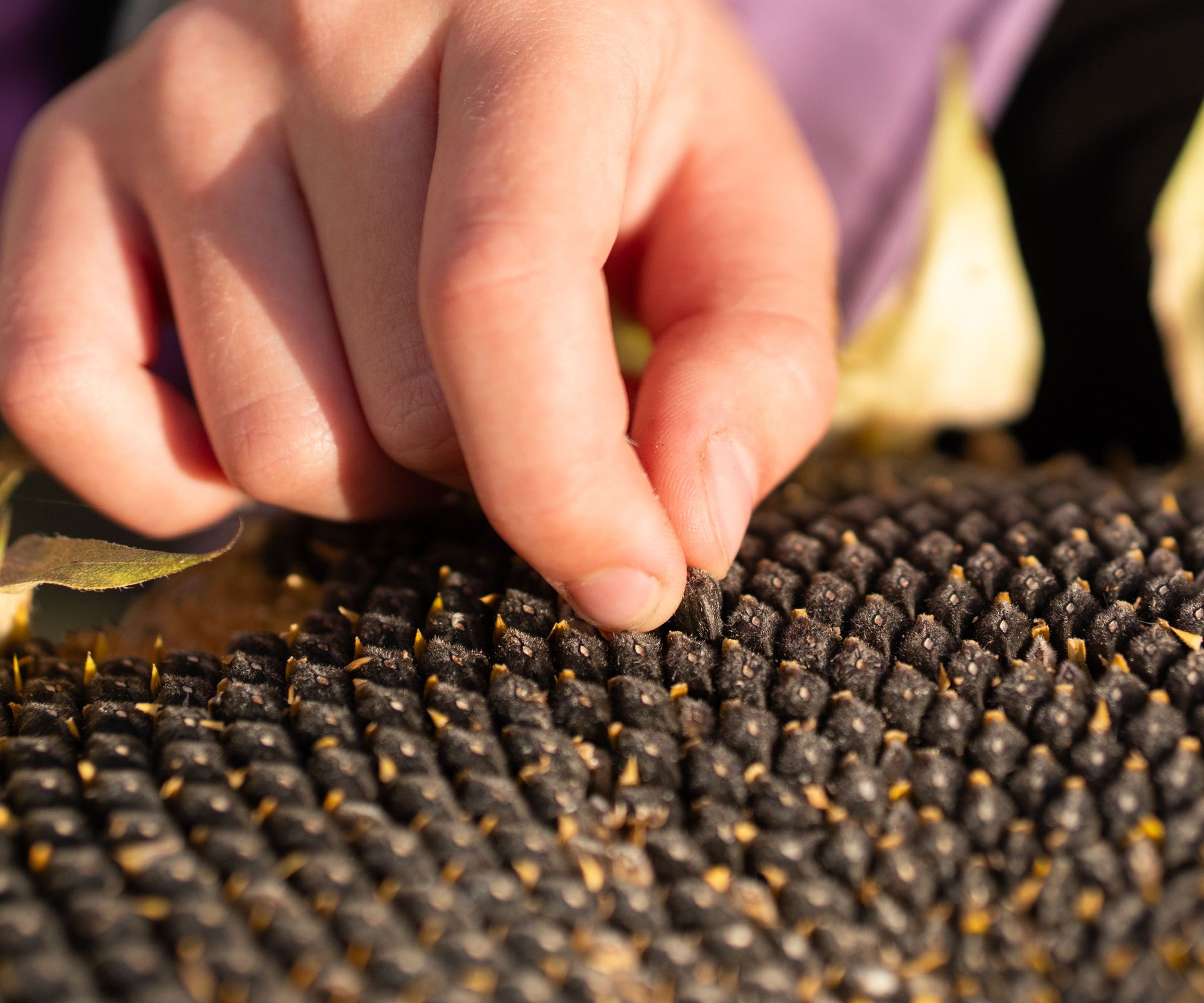
If you grew tall annual sunflowers this summer, you may already have a generous stash of black-oil superseeds ready to go. Heavy-yielding varieties like Peredovik or classic giant sunflower varieties like Mammoth Grey Stripe produce the oil-dense dark kernels birds crave. However, decorative varieties like Velvet Queen or pollenless types like ProCut either produce empty shells or tough, thick-hulled seeds that offer far fewer calories. So make sure you have the right seeds for your birds.
September is the prime harvest season for sunflower seeds. Heads are ready when the back of the flower shifts from green to a rich yellow or brown, the petals dry and drop, and the seeds look plump, sitting loose in the central disc. Birds usually spot this maturity before we do, so a sudden rush of finch traffic on a head is your cue. To protect ripening heads from eager squirrels, slip a paper bag or cheesecloth bag or similar over the head when the petals brown. You can buy Cotton Farm Cheesecloth Bags from Amazon. Secure it with a soft tie to buy a few extra days of ripening, while stopping seeds from hitting the dirt.
(Image credit: Diy13 / Getty Images)
When ready, cut the stem leaving about 12 inches (30cm) of stalk. Use sharp Fiskars Titanium Micro-Tip Pruning Shears from The Home Depot for clean stem cuts. Then hang the head upside down somewhere warm, dry, and airy, with no rodents in residence. Give it 3 weeks to cure, or longer in a damp spell. Seeds drop on their own, so placing a catch bin or bag underneath saves sweeping later.
Whatever seeds stay put will come loose easily if the head gets knocked against a table edge or rubbed hard against a second head. Just make sure everything is bone dry before storage, because damp seed molds quickly, and moldy seed is far worse for birds than no seed at all.
Best Ways to Offer Black Oil Seeds
(Image credit: Joe Houghton / Getty Images)
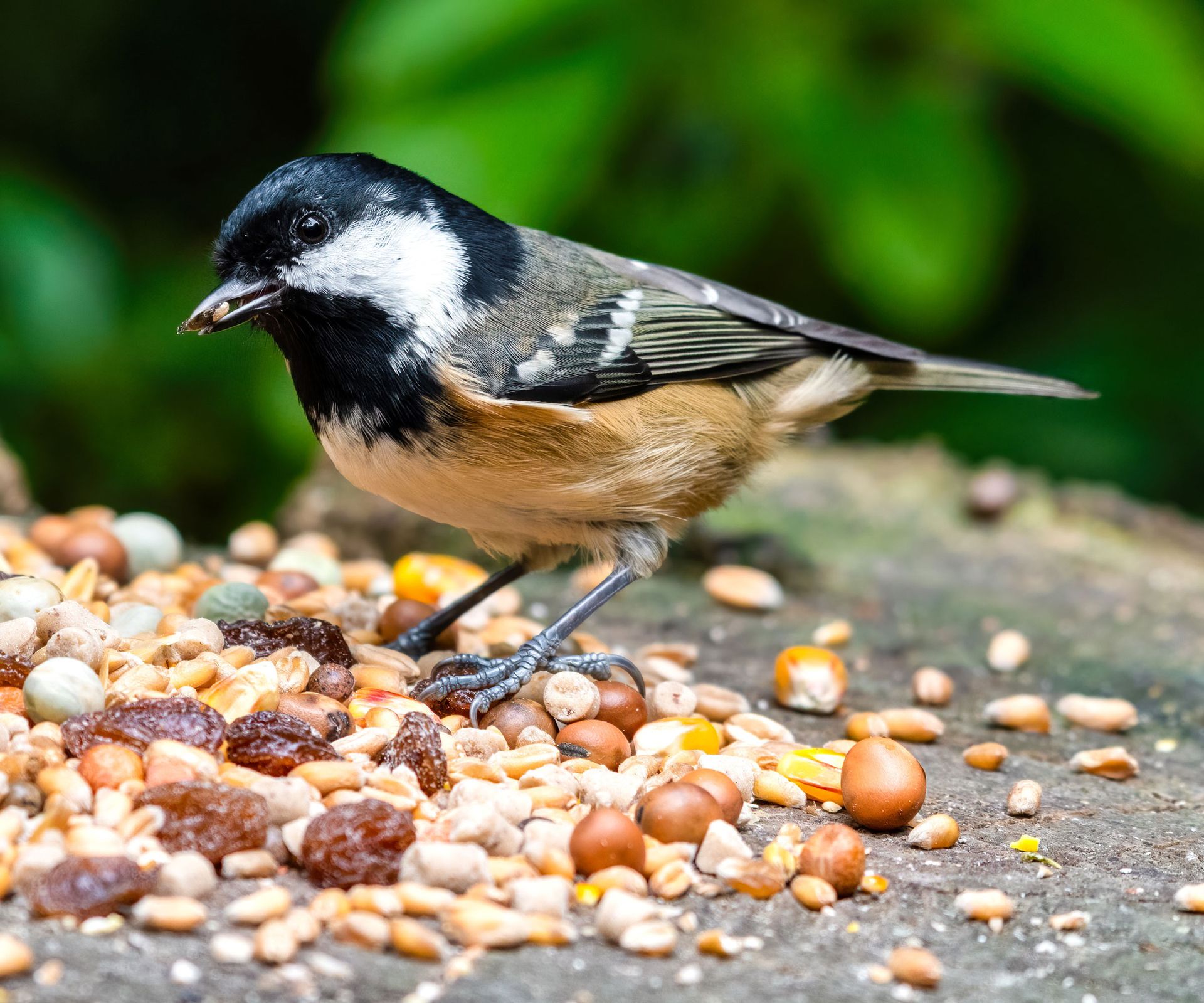
Tube feeders, platform trays, and suet cages are all great ways to dish up your black oil sunflower seeds. Hanging tube feeders are the safest default, mainly because they keep seed dry. Moisture is one of the real hazards at a feeder, since wet grain grows mold that can sicken birds. A tube also stops one determined jay emptying the lot in a single sitting. The Woodlink Seed Tube Feeder from The Home Depot is great for finches, nuthatches and chickadees, and hangs off a shepherd's hook or a low branch without fuss. Small perching birds like black-capped chickadees, pine siskins, and American goldfinches thrive on narrow tube perches.
Bigger autumn visitors like grosbeaks and cardinals prefer broader perching space. Setting out a wooden mesh tray like the Kingsyard Platform Bird Feeder from Walmart allows larger species to dine comfortably, while the mesh base ensures that rainwater drains away instantly after rain instead of holding a puddle.
(Image credit: Catherine McQueen / Getty Images)
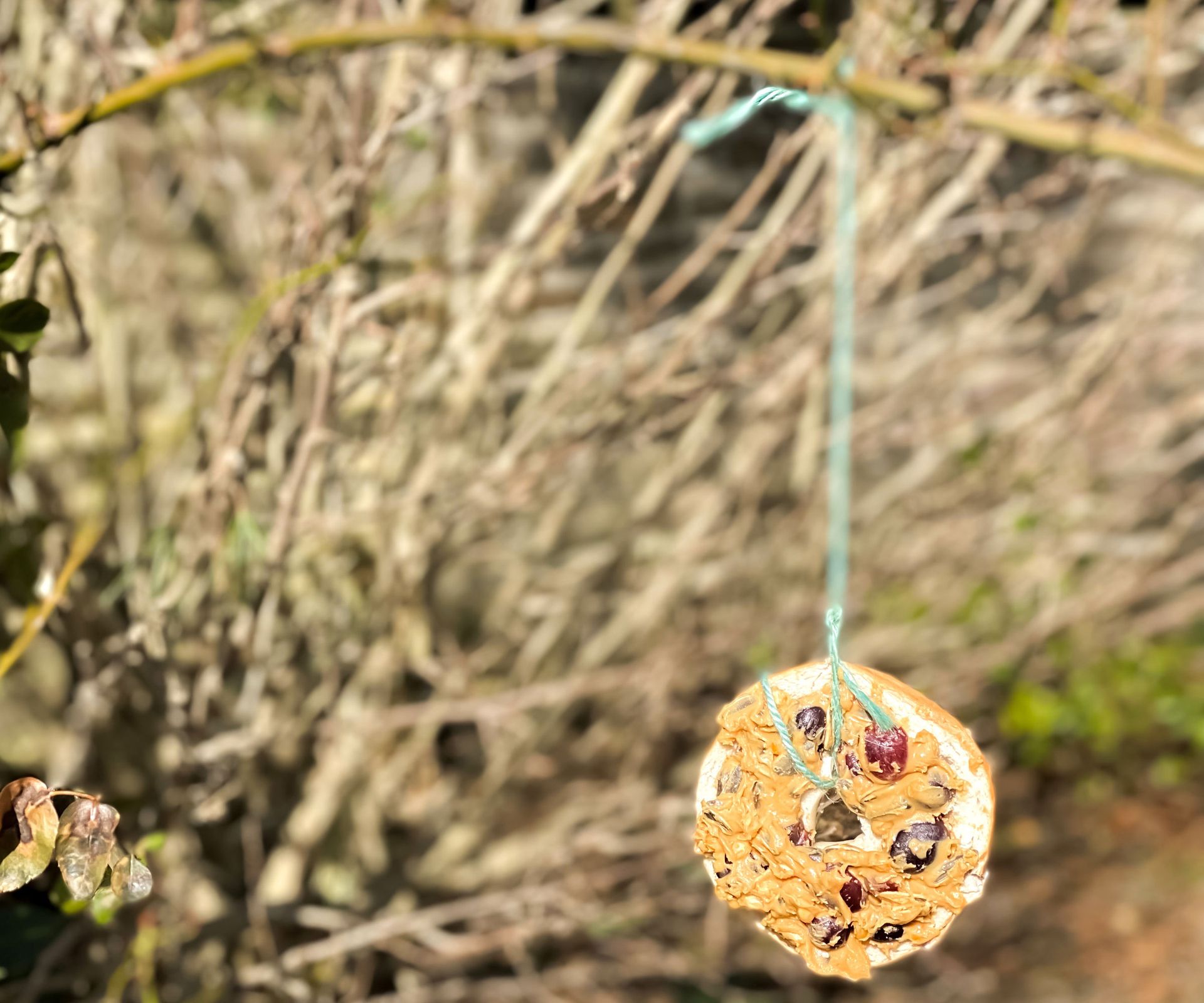
For a high-energy treat, mix homegrown seeds into melted beef fat and chill in a mold to create suet cakes. These will go down a storm with tufted titmice and white-breasted nuthatches. If you prefer convenience, hang a pre-made C&S Sunflower Treat Suet Cake from Amazon inside a metal wire cage feeder. Finally, observe the 3/30 rule when putting out feeders for the fall frenzy. Place them within 3 feet (1m) of windows or beyond 30 feet (9m) to prevent fatal glass collisions.
Complement Your Sunflower Buffet
(Image credit: Cavan Images / NatureTron / Getty Images)
While black oil sunflower seed is the undisputed star of fall feeding, pairing your seed stations with natural garden forage creates a complete wildlife habitat. Leaving spent perennials standing provides essential foraging opportunities. Goldfinches and native sparrows will happily pick seeds out of dried coneflower (echinacea) and black-eyed Susan (rudbeckia) heads well into winter.
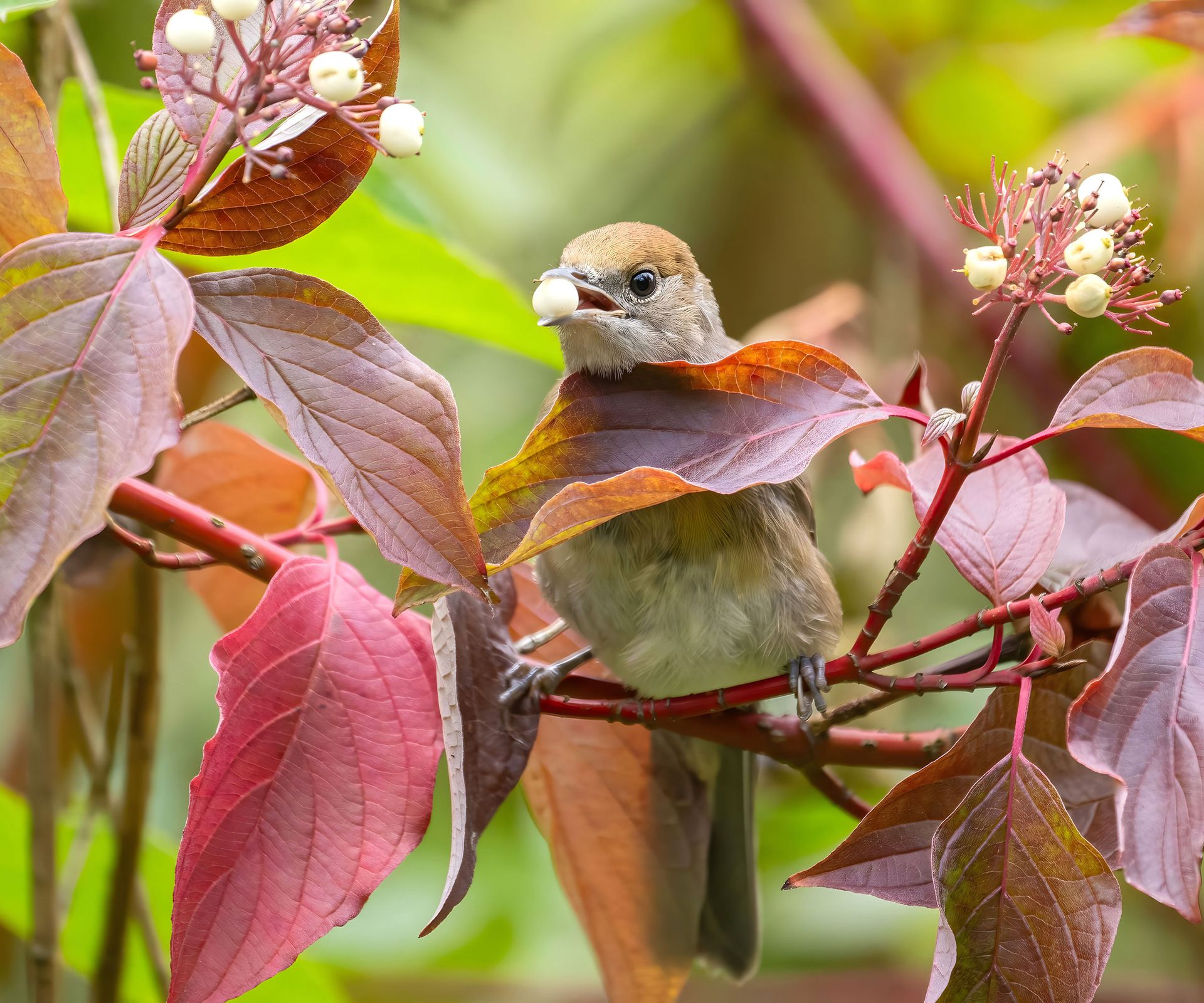
Planting berry-bearing shrubs can also help to pull in a different crowd. Soft-billed American robins, cedar waxwings, and hermit thrushes mostly ignore seed hoppers but will clear a fruit-laden branch in an afternoon. When selecting berrying shrubs, just match species to your hardiness zones. Native winterberry holly thrives in zones 3-9, holding bright red fruit straight into winter. You can buy best-selling Berry Poppins Winterberry Holly from Plant Addicts to set up long-term fall foraging. For northern gardens (zones 2–7), American cranberrybush offers high-pectin berries that soften after the first frost, providing critical late-season fuel.
To cater to specialized species like pine siskins and goldfinches who prefer tiny, oil-rich seeds, supplement your main stations with high-fat nyjer (thistle) seed served in fine-mesh socks or a fine-mesh feeder. You can grab 3lb bags of Kaytee Nyjer Thistle Seeds from Amazon. Scrub the feeders out every couple of weeks as well, since a crowded station spreads disease. A feeder filled this week catches birds that will be gone by November and others that will still be working the same perch in February. And never forget fresh water with dedicated bird baths and puddle baths, as your birdies are thirsty, too.
September Bird Care Essentials
Stocking your backyard bird sanctuary requires a balance of prime nibbles with practical yet pretty feeders, as well as reliable hydration sources. Give your birdies the best shot at survival with these curated fall picks to elevate your bird feeding station setup this season.
Superseed Trio
Premium SeedsHappy Wings
Happy Wings Black Oil Sunflower Seeds Bird Food
If you haven't grown any sunflower seeds this year, don't panic. These premium black oil sunflower seeds are packed with nutrients to fuel migrating songbirds and local residents.
Super FeederWayfair
Tucker Murphy Pet™ Huebner Mosaic Glass Fly-Through Feeder
A stunning hand-crafted glass mosaic fly-through feeder that catches fall sunlight while offering a sheltered perching tray for seeds.
Suet CakePennington
Pennington Feeding Frenzy Suet Dough Cakes
Couple your black oil sunflower seeds with some extra fuel: these suet cakes can be added as standalone extras or can be used to house some of your seeds for the ultimate fuel boost.
(Image credit: Wirestock / Getty Images)
Need more ideas for timely gardening jobs and seasonal expert advice delivered straight to your inbox? Sign up for the free Gardening Know How Newsletter!
Continue reading...