
M
Mary Ellen Ellis
Guest
Peonies are a favorite for many gardeners. They don’t need a lot of care once established, and reward you with abundant, gorgeous flowers. They can even live for up to 100 years if they’re happy with their growing conditions.
While peony care is generally hands-off over summer, fall does require a little effort on your part. Some tidying and winter prep will pay off next year with healthy new shoots and big blooms. Fall is also a good time to divide or plant new peonies.
Here’s what you need to know about September peony care.
(Image credit: Getty Images)
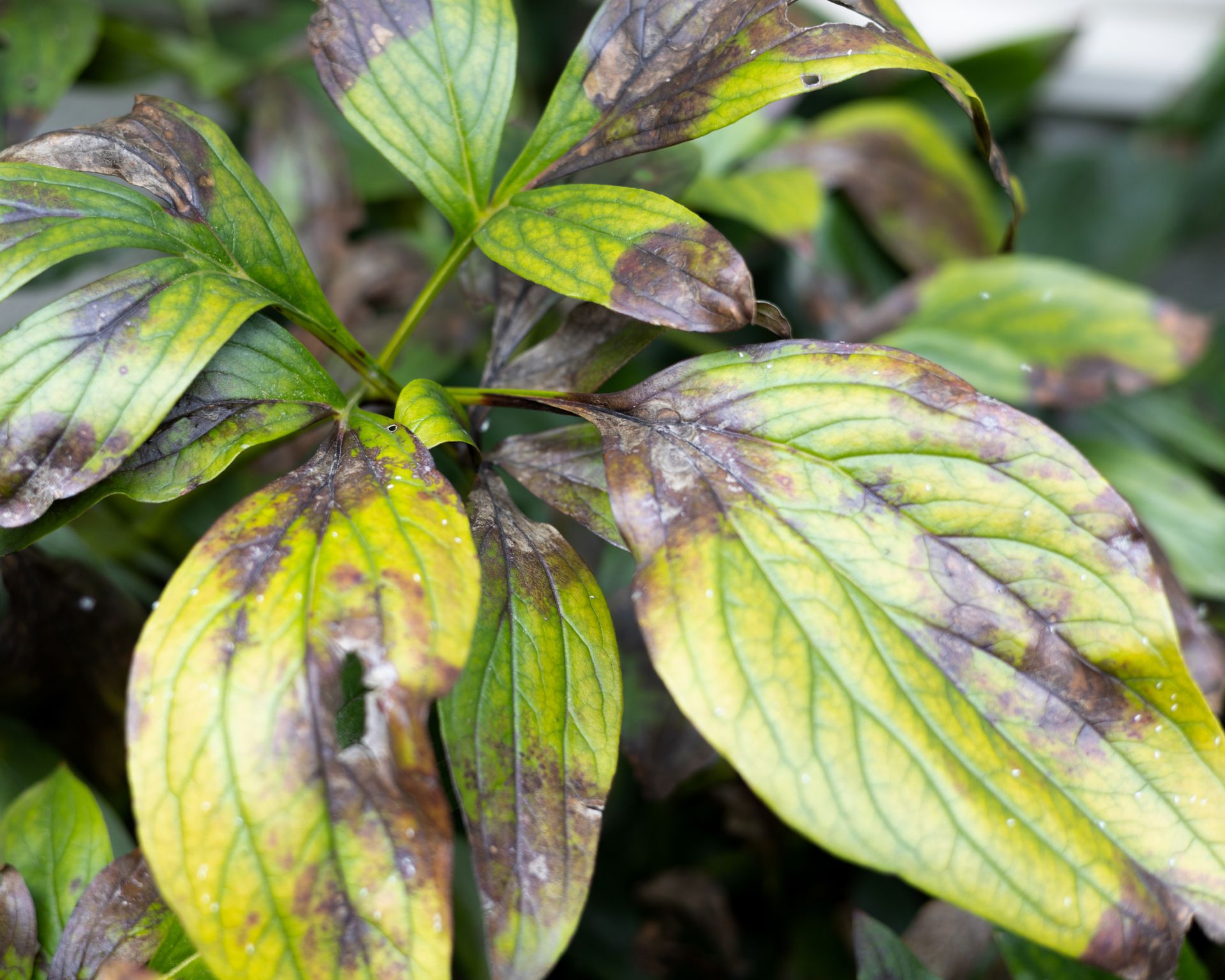
One of the only things that can challenge you as a peony grower is disease. Peonies are prone to fungal and bacterial infections, especially as temperatures cool and rain increases in early fall. Start checking your plants for diseased-looking leaves and stems at the end of summer and the start of September.
Remove any foliage that looks damaged, has dying tissue or has spots or powdery residue. Clean and disinfect your shears after trimming back diseased leaves and before using them on healthy plants. Dispose of diseased leaves and stems. Do not put them in the compost pile.
(Image credit: Mulevich / Shutterstock)
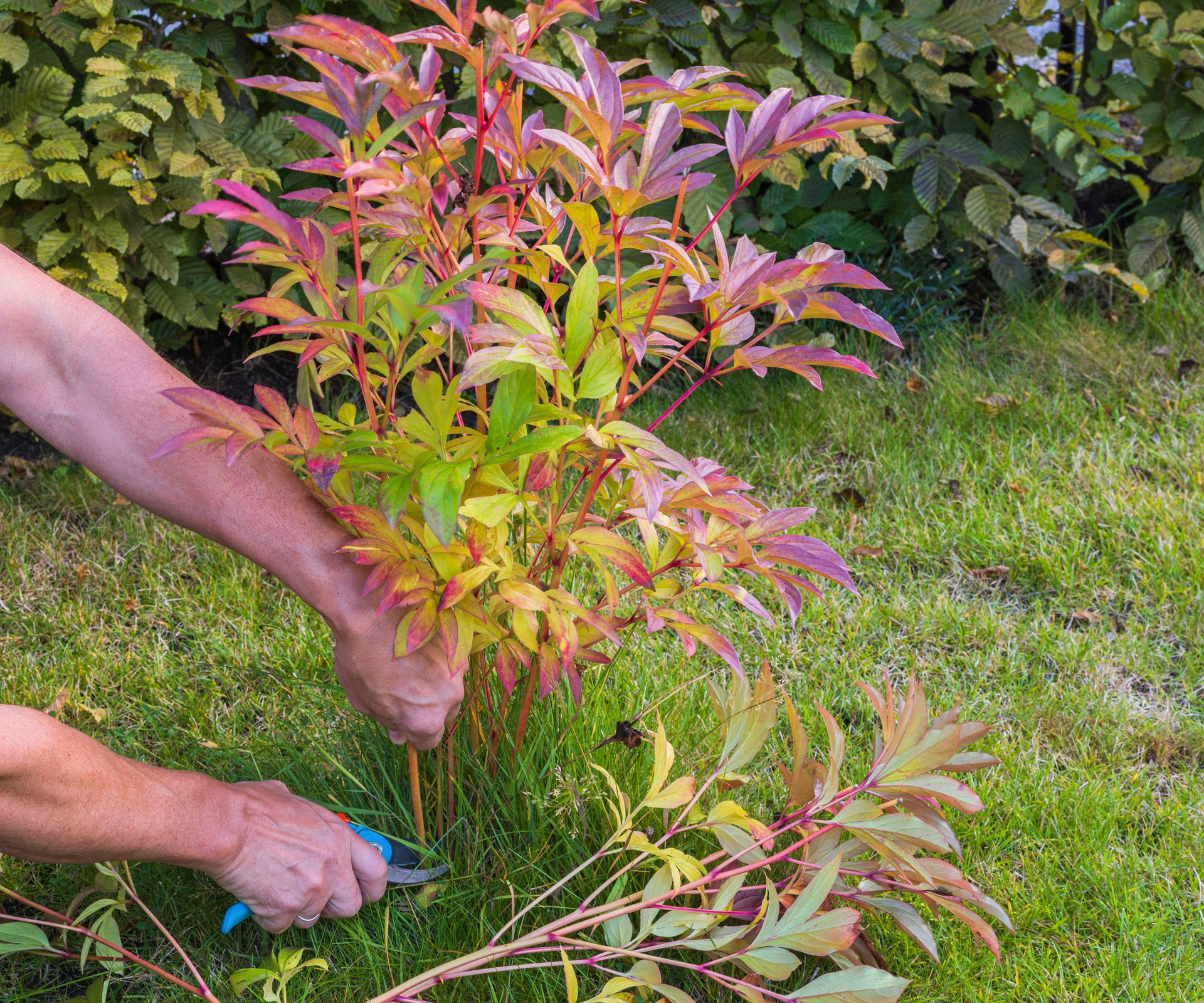
Because disease can be an issue, and the vectors for disease can remain in the soil and spread, it’s best to remove all of your peonies’ spent foliage in fall. New shoots will come up in spring even if you cut them all the way back. Our editors love Fiskars bypass pruning shears from Amazon because they're sharp, built to last, and also very easy on the wallet. Sharp shears mean you won't damage the plant when you're doing your deadheading and cutting back.
You can wait until the foliage starts dying back naturally, especially if it looks healthy and you have already removed any that looks diseased.
If you see a lot of disease, cut it all back earlier. Cut your plants to within a few inches of the ground and dispose of all the debris. Don’t leave it in place, where disease can fester.
(Image credit: Khorzhevska / Shutterstock)
Fall is the best time to divide peonies, but only if they need it. September provides cooler weather and more rain to minimize stress, but also gives transplants time to establish before winter. Despite taking care, peonies do not like to be moved, so only tackle this chore if they really need it, generally only every five to ten years. Overcrowded peonies look dense and tend to produce fewer and smaller flowers.
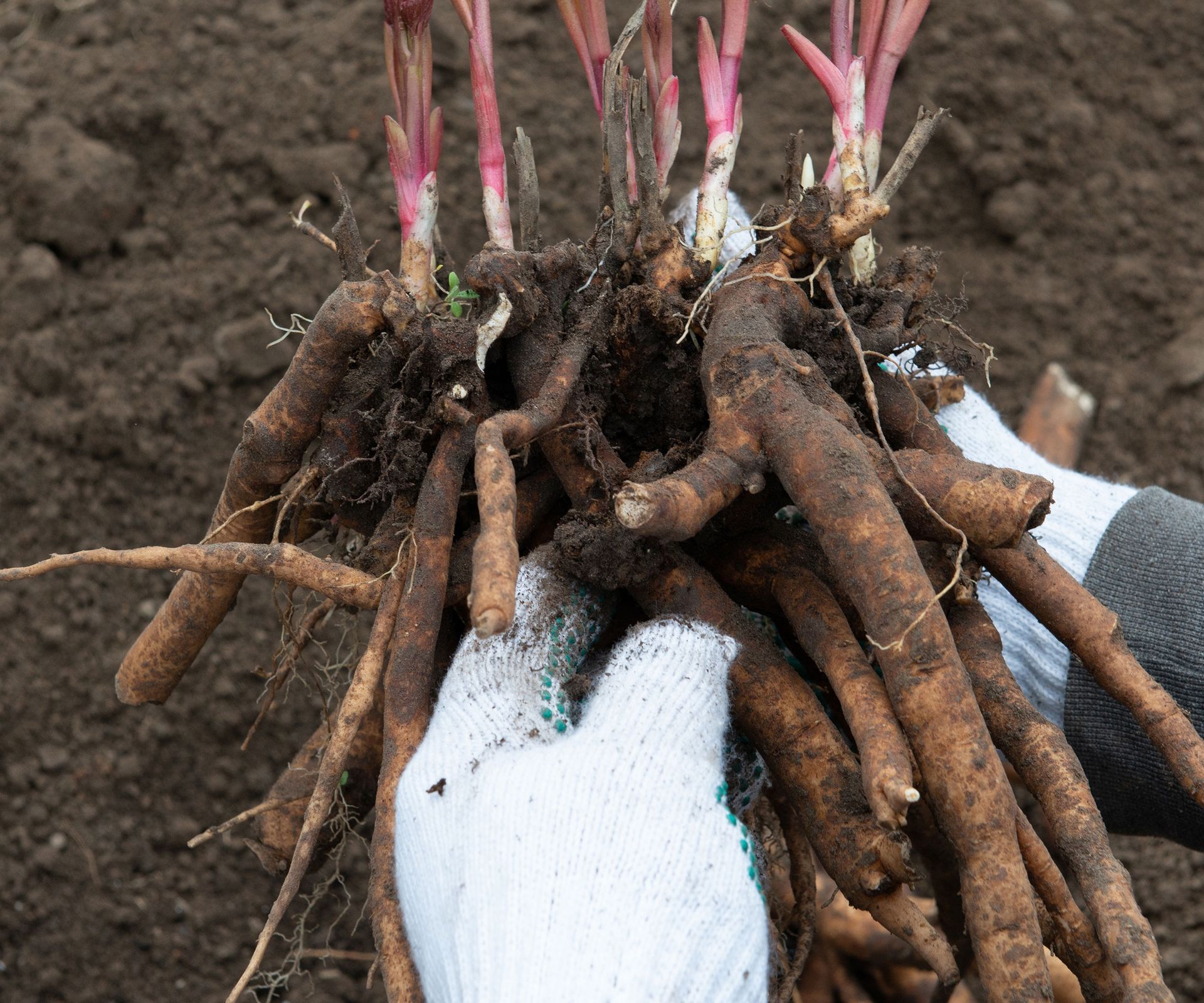
To divide peonies, first cut back the foliage. Carefully dig out and remove the clump from the ground, gently brushing or washing off dirt so you can see the roots. Use a sharp, clean knife to cut the roots into sections. Each division should have three to five eyes (these look like pink or white buds) and substantial, healthy roots.
(Image credit: Maryviolet / Getty Images)
September is also the best time for planting new bare root peonies or moving existing plants, if you must. You might need to move plants if trees have grown, creating too much shade, the soil isn’t draining, or you are doing a garden redesign.
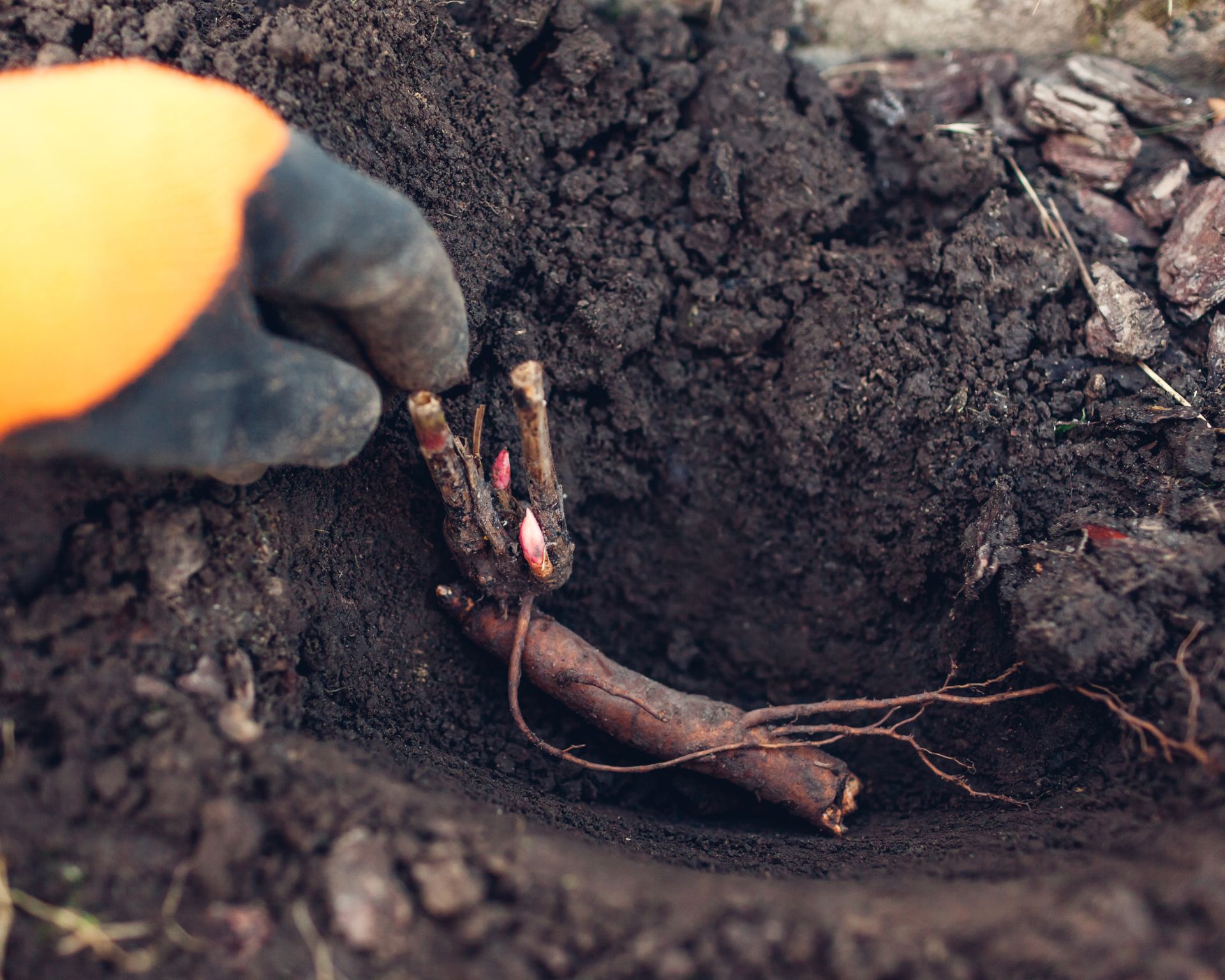
Choose a spot with full sun and soil that drains well. Give peonies plenty of room to grow, so they don’t get overcrowded or suffer from lack of airflow. It’s very important that you plant peonies so that the eyes are no more than one to two inches (2.5 to 5.0 cm) below the soil surface. Water new peonies and transplants well to help them establish.
(Image credit: Alamy)
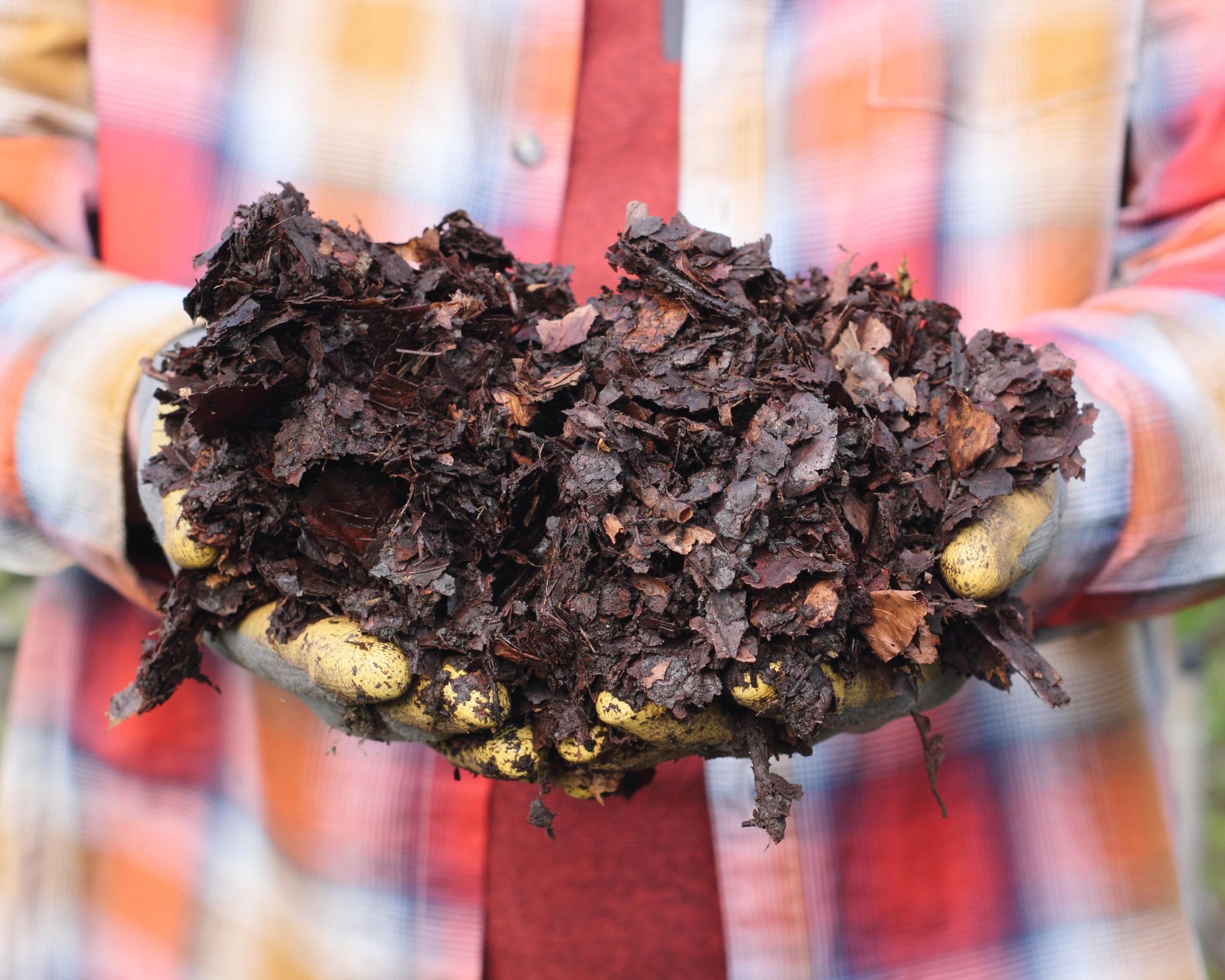
Once you have new peonies in the ground or have cut back foliage from established peonies, it’s time to consider winter protection. Especially if you have cold winters, a light layer of straw, pine needles, or bark mulch can keep the roots a little warmer and hold some moisture in the soil.
Don’t layer the mulch too thickly and leave a bare space over the soil that covers the crown of the plant. Piling mulch up here can create damp conditions that lead to rot. Miracle-Gro Organic dye-free mulch from Lowe's will provide great winter protection and will prevent weeds.
(Image credit: VH studio / Shutterstock)
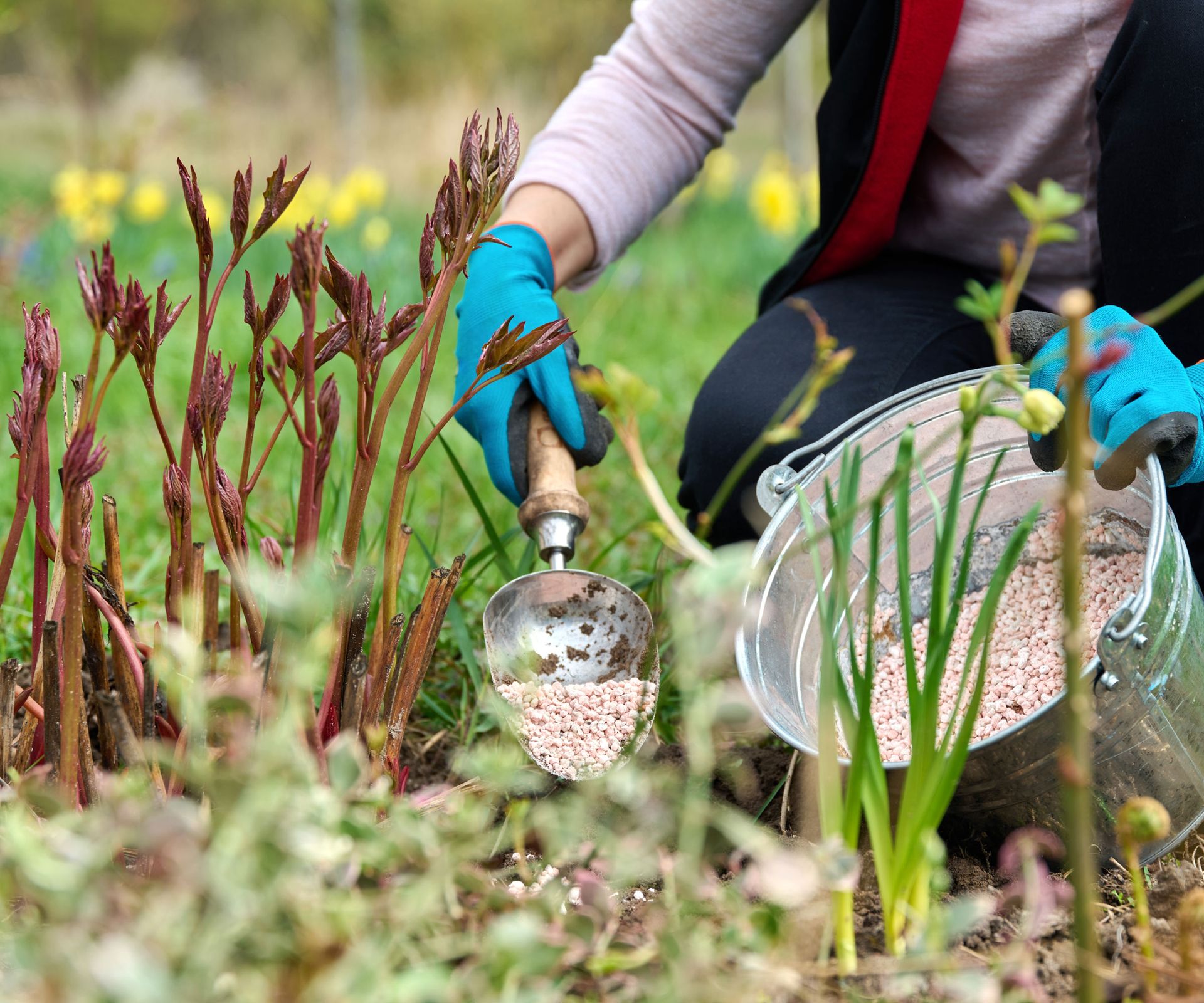
Just as important as what to do for them is what not to do. These are some mistakes to avoid for September peony care:
September is one of the most important months of the year for a plant that doesn’t need a lot of care the rest of the year. Now is the time to do many of these tasks, which will ensure your plants are healthy and blooming vigorously next year.

Miracle-Gro
Organic All Natural Mulch
Organic, dye-free mulch will protect your peonies through winter and keep weeds out of the garden.

Fiskars
Bypass Pruning Shears
A crowd-favorite amongst our editors for their build quality and a price tag you can't beat.

Corona Tools
Garden Tool Sharpener
Easily sharpen your pruners and loppers and keep your cuts clean.
Need more ideas for timely gardening jobs and seasonal expert advice delivered straight to your inbox? Sign up for the free Gardening Know How Newsletter!
Continue reading...
While peony care is generally hands-off over summer, fall does require a little effort on your part. Some tidying and winter prep will pay off next year with healthy new shoots and big blooms. Fall is also a good time to divide or plant new peonies.
Here’s what you need to know about September peony care.
1. Remove Diseased Foliage
(Image credit: Getty Images)
One of the only things that can challenge you as a peony grower is disease. Peonies are prone to fungal and bacterial infections, especially as temperatures cool and rain increases in early fall. Start checking your plants for diseased-looking leaves and stems at the end of summer and the start of September.
Remove any foliage that looks damaged, has dying tissue or has spots or powdery residue. Clean and disinfect your shears after trimming back diseased leaves and before using them on healthy plants. Dispose of diseased leaves and stems. Do not put them in the compost pile.
2. Cut Back All the Foliage
(Image credit: Mulevich / Shutterstock)
Because disease can be an issue, and the vectors for disease can remain in the soil and spread, it’s best to remove all of your peonies’ spent foliage in fall. New shoots will come up in spring even if you cut them all the way back. Our editors love Fiskars bypass pruning shears from Amazon because they're sharp, built to last, and also very easy on the wallet. Sharp shears mean you won't damage the plant when you're doing your deadheading and cutting back.
You can wait until the foliage starts dying back naturally, especially if it looks healthy and you have already removed any that looks diseased.
If you see a lot of disease, cut it all back earlier. Cut your plants to within a few inches of the ground and dispose of all the debris. Don’t leave it in place, where disease can fester.
3. Divide Peonies, If Needed
(Image credit: Khorzhevska / Shutterstock)
Fall is the best time to divide peonies, but only if they need it. September provides cooler weather and more rain to minimize stress, but also gives transplants time to establish before winter. Despite taking care, peonies do not like to be moved, so only tackle this chore if they really need it, generally only every five to ten years. Overcrowded peonies look dense and tend to produce fewer and smaller flowers.
To divide peonies, first cut back the foliage. Carefully dig out and remove the clump from the ground, gently brushing or washing off dirt so you can see the roots. Use a sharp, clean knife to cut the roots into sections. Each division should have three to five eyes (these look like pink or white buds) and substantial, healthy roots.
4. Plant New Peonies or Move Established Ones
(Image credit: Maryviolet / Getty Images)
September is also the best time for planting new bare root peonies or moving existing plants, if you must. You might need to move plants if trees have grown, creating too much shade, the soil isn’t draining, or you are doing a garden redesign.
Choose a spot with full sun and soil that drains well. Give peonies plenty of room to grow, so they don’t get overcrowded or suffer from lack of airflow. It’s very important that you plant peonies so that the eyes are no more than one to two inches (2.5 to 5.0 cm) below the soil surface. Water new peonies and transplants well to help them establish.
5. Add a Layer of Mulch
(Image credit: Alamy)
Once you have new peonies in the ground or have cut back foliage from established peonies, it’s time to consider winter protection. Especially if you have cold winters, a light layer of straw, pine needles, or bark mulch can keep the roots a little warmer and hold some moisture in the soil.
Don’t layer the mulch too thickly and leave a bare space over the soil that covers the crown of the plant. Piling mulch up here can create damp conditions that lead to rot. Miracle-Gro Organic dye-free mulch from Lowe's will provide great winter protection and will prevent weeds.
What Not to Do for Peonies in September
(Image credit: VH studio / Shutterstock)
Just as important as what to do for them is what not to do. These are some mistakes to avoid for September peony care:
- Applying fertilizer, especially nitrogen-heavy products
- Cutting healthy foliage back too early in the season while it’s still gathering energy
- Leaving foliage on the ground
- Composting diseased foliage
- Planting new or divided peonies too deeply
- Mulching too heavily, especially over the crowns
- Letting roots and crowns get soggy and not addressing soil drainage issues
September is one of the most important months of the year for a plant that doesn’t need a lot of care the rest of the year. Now is the time to do many of these tasks, which will ensure your plants are healthy and blooming vigorously next year.
Shop Fall Peony Essentials
Miracle-Gro
Organic All Natural Mulch
Organic, dye-free mulch will protect your peonies through winter and keep weeds out of the garden.
Fiskars
Bypass Pruning Shears
A crowd-favorite amongst our editors for their build quality and a price tag you can't beat.
Corona Tools
Garden Tool Sharpener
Easily sharpen your pruners and loppers and keep your cuts clean.
Need more ideas for timely gardening jobs and seasonal expert advice delivered straight to your inbox? Sign up for the free Gardening Know How Newsletter!
Continue reading...